©

2020 Cap Fagnet Hike

|

OIT FECAMP

Car-free, between town and nature

make the most of your surroundings
Zoom Zoom

Goodbye car! Get around on foot, by bike or by bus: with plenty of choice and a little organisation, we promise you’ll discover the best of our destination!

Whether you’re coming to Fécamp for the first time or returning, we’ve got some tips for a successful stopover.

Discovering the...

Our advice

Nature
  • During school holidays and high season, remember to book your activities in advance,
  • At the seaside, always remember to apply sun cream, even on overcast days,
  • On the other hand, always have a mackintosh to hand,
  • Don’t pick up pebbles – they’re essential for protecting our coastline,
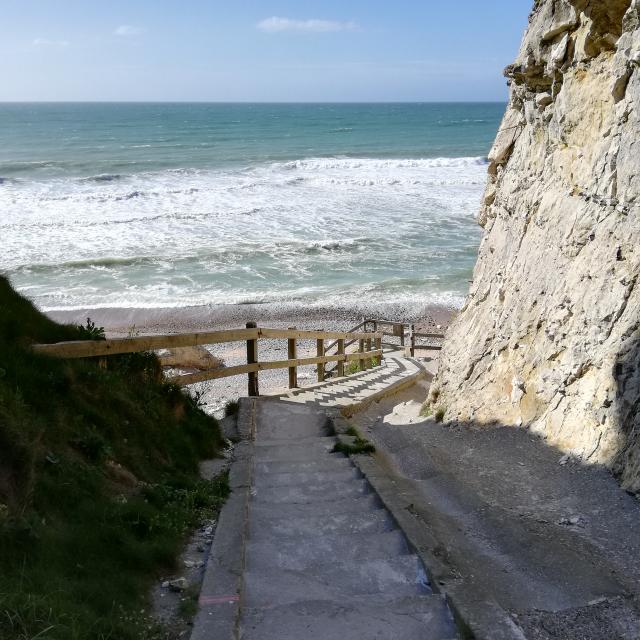
  • Don’t put your life in danger by walking under or too close to the cliffs, as landslides are common, and never leave the marked path,
  • When fishing on foot, check the tide tables,
  • Don’t feed the gulls, they find their food naturally in the sea,
  • To respect our beautiful countryside, litter bins and containers are available for you to dispose of your rubbish.

The coastline

of the Côte d'Albâtre

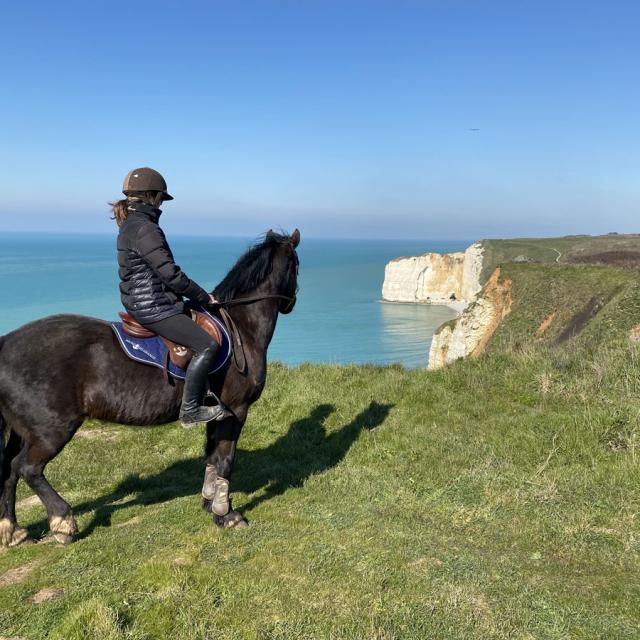
The Côte d’Albâtre is 140km of coastline stretching from Le Havre to Le Tréport, via Dieppe, Fécamp and Etretat.

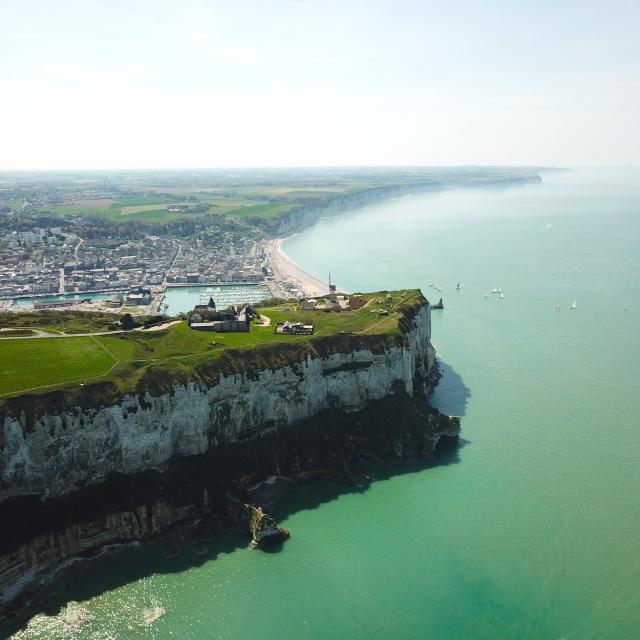
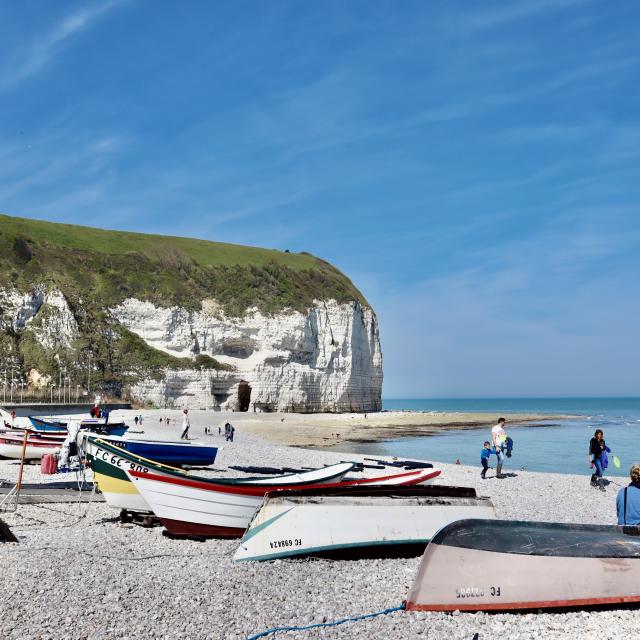
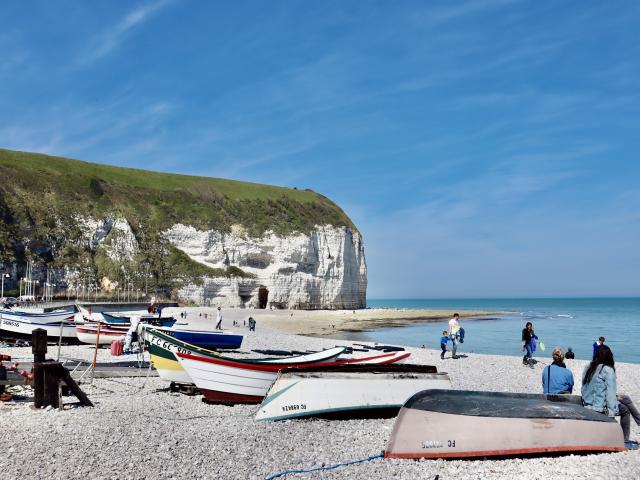
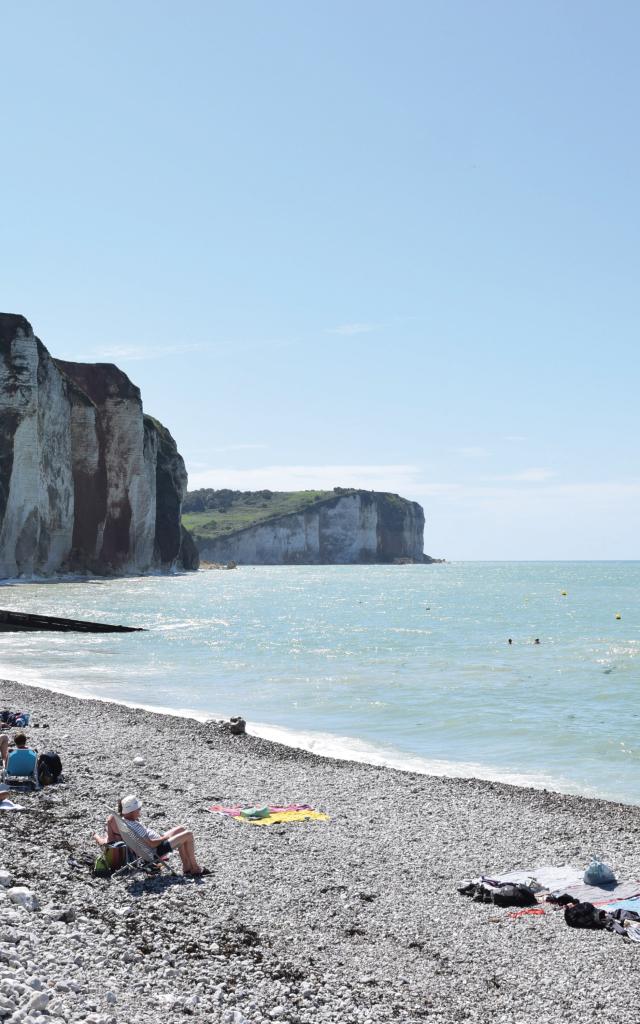
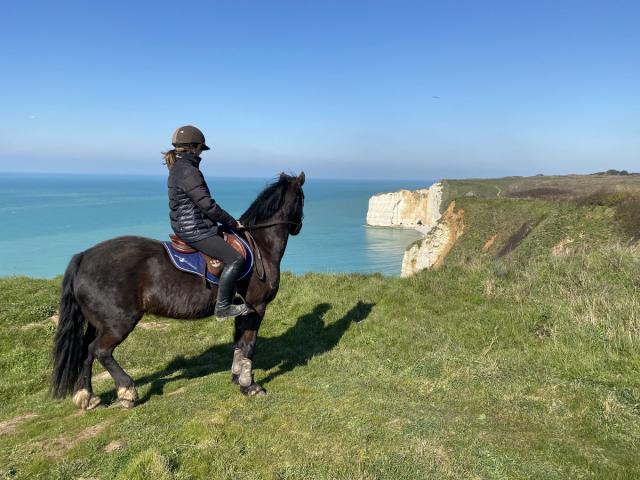
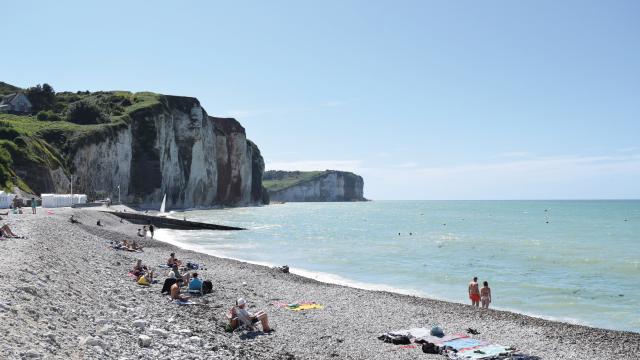
Its name, Côte d’Albâtre, comes from its immense white chalk cliffs, forming a great wall plunging into a sea of changing colours. In fact, this is what inspired many of the Impressionist painters who came to stay in our beautiful destination.
This wild, vertiginous coast hides a rich variety of flora and fauna, with its cliffs and pebble beaches offering the gentle sound of waves coming and going with the tides.

On the cliffs, on the beach or in the sea: there are many ways to discover the Côte d’Albâtre!

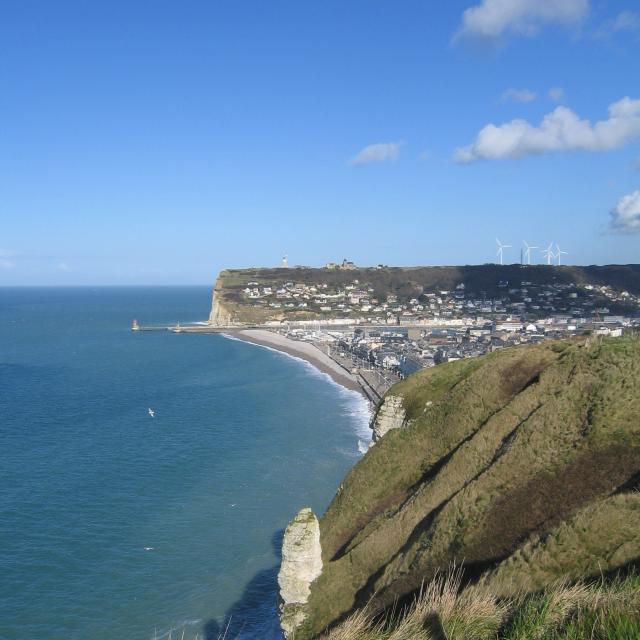
Cap Fagnet

The highest cliff on the Côte d'Albâtre

Let’s start with one of Fécamp’s must-sees: Cap Fagnet!
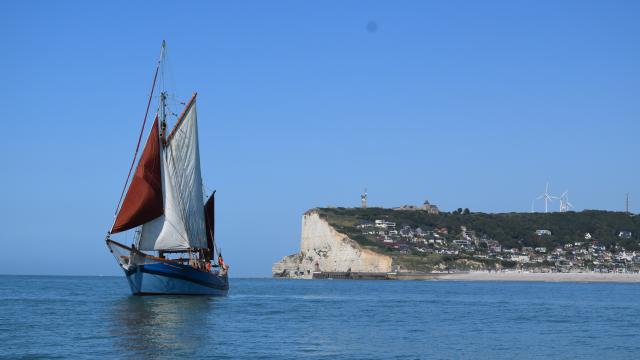
This cliff and the silhouette of the Chapelle Notre-Dame-de-Salut will undoubtedly attract you.

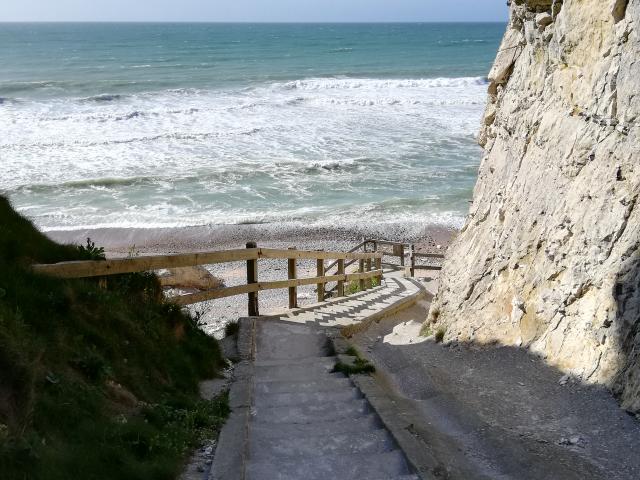
Although this is the highest point on the Côte d’Albâtre, culminating at 110 metres above sea level, it’s easily reached on foot via the sente au matelot (sailor’s path) from theTourist Office in 25 to 30 minutes.

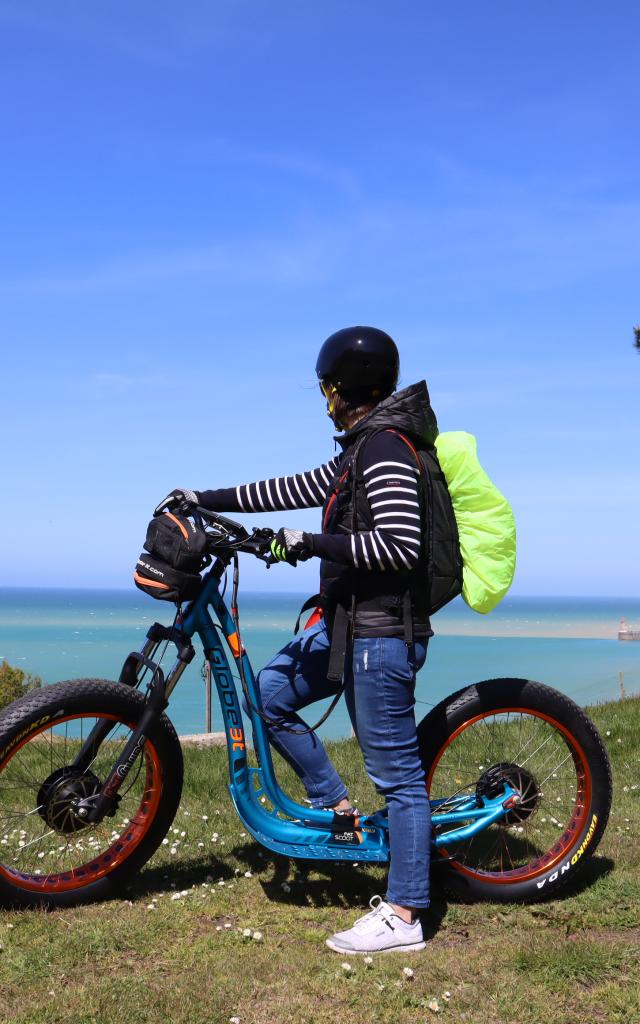
To discover its hidden treasures in a different way, take to the road on an electric scooter, with the added bonus of a Trott N’Ride guide’s expert commentary!

Come and see us at theTourist Office for more details!

Yport

Small fishing village

After a verdant wooded valley, the village overlooking the sea appears, sheltered from the westerly winds by its Chicard… and upstream, the line of cliffs curves its long vertical wall towards Fécamp, forming a magnificent natural bay.

Enjoy a quiet, peaceful moment in this fishing village, while sampling seafood on the terrace of one of its restaurants.
Or take the GR®21: with comfortable footwear, follow this path that promises magnificent panoramas and a fair amount of change in altitude…

The port

of Fécamp

If you’re in Fécamp, it’s probably to enjoy the sea spray and the maritime atmosphere!

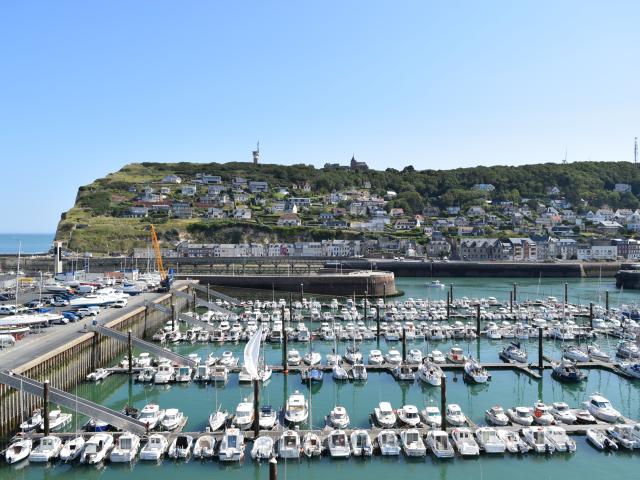
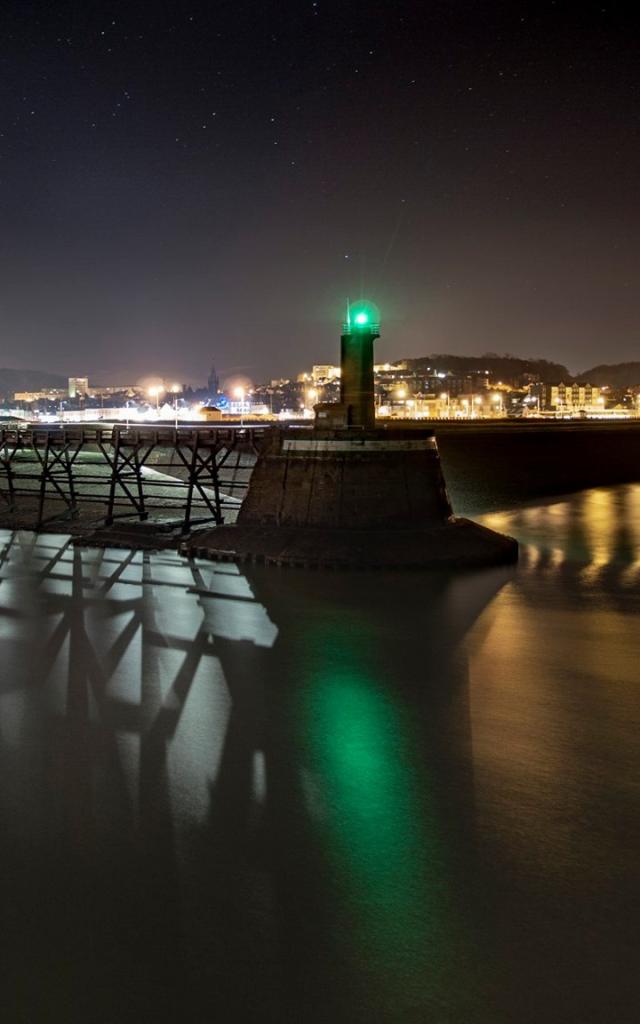
If that’s the case, you’ll want to explore the port on foot, strolling along the quays and piers.

Saturday 20 June
Cloudy
22°C
min : 15°C / max : 22°C
Wind : 12km/hHumidity : 75%
Morning
18°C
Afternoon
21°C
Evening
17°C
Sunday 21 June
Rain
24°C
min : 17°C / max : 25°C
Wind : 14km/hHumidity : 62%
Morning
18°C
Afternoon
25°C
Evening
19°C
Monday 22 June
Cloudy
26°C
min : 20°C / max : 28°C
Wind : 14km/hHumidity : 66%
Morning
23°C
Afternoon
26°C
Evening
20°C

La Campagne

Cauchoise

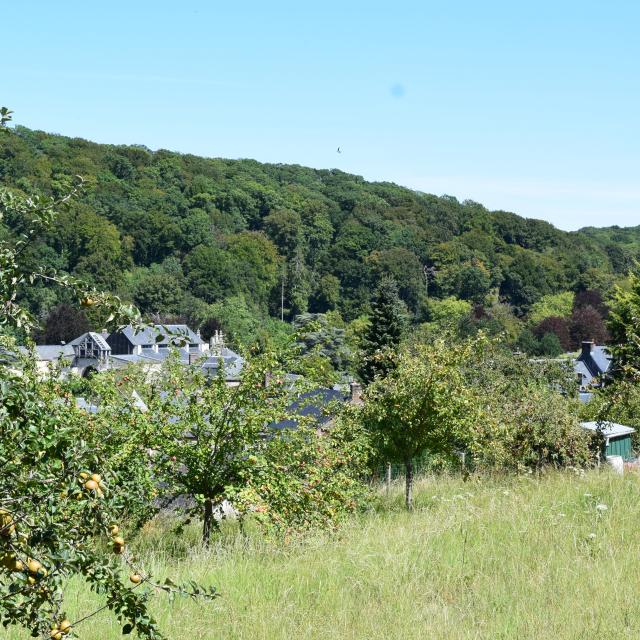
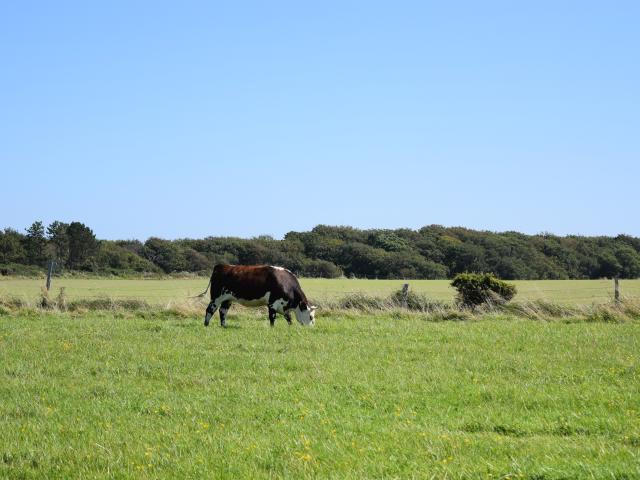
Because the lush green meadows and undergrowth of our countryside are just as beautiful and revitalising as the sea, we invite you to explore our region and discover the “beautiful corners of Normandy”.

The Pays de Caux is a vast plateau that rises gently towards the east, from an altitude of 100 to 180 metres, and ends with the cliffs of the Côte d’Albâtre, the highest of which at Cap Fagnet, in Fécamp, is 110 metres high.

The Cauchoise countryside and its picturesque villages are home to numerous châteaux and manor houses, as well as a special type of rural architecture known as “clos-masures”.


A “clos-masure ” is a meadow housing a farm, surrounded by hedges that act as windbreaks to shelter the buildings. These farm and residential buildings are traditionally made of brick and flint and are scattered between meadows, ponds, orchards and vegetable gardens. The trees are planted on an embankment about one metre high. Beech, oak and, nowadays, poplar are used because of their rapid growth. This hedge creates a microclimate that generally allows apple trees to be grown for cider production. It also protects young livestock and poultry.

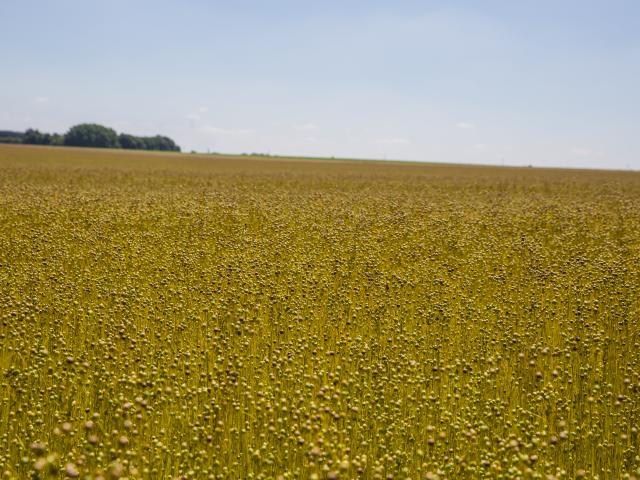
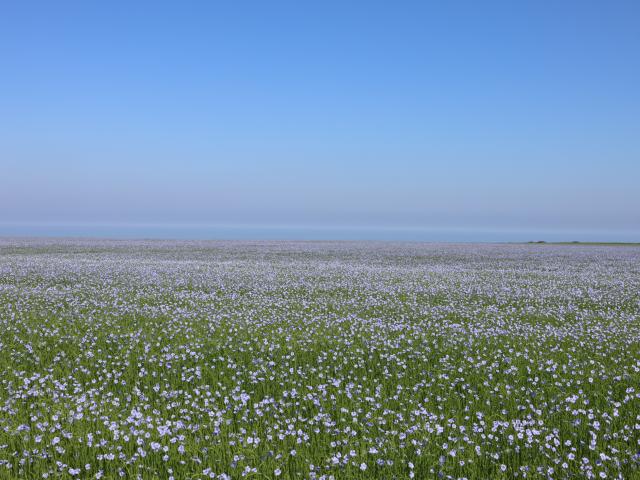
Another special feature of the Cauchois countryside is the flax!
Sown in March/April, the flax springs up in May, an undulating green.
June is the best time to come and admire it: its blue flowers with their fragile funnel-shaped petals open every morning and fade in the afternoon for a fortnight. It’s a magical, ephemeral period.
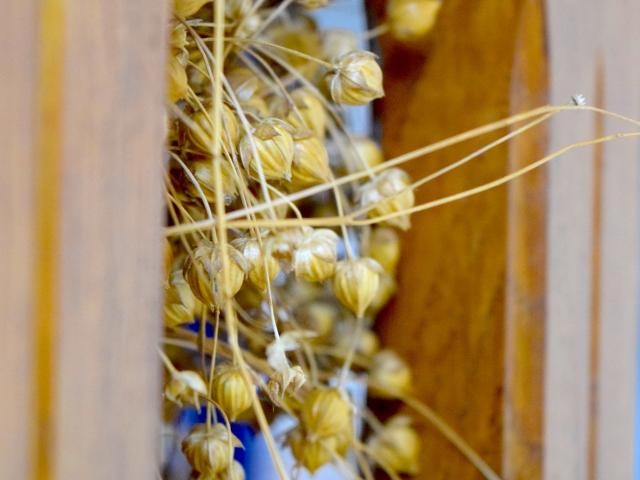
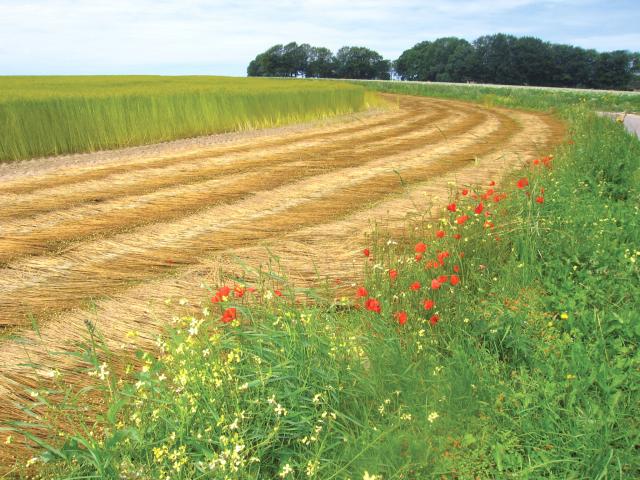
They then become small capsules from which the seeds are extracted. Later in the summer, the seeds are removed, the husks removed and the flax fibres retted to make them easier to separate.

Take advantage of these fine days to stroll along the Véloroute du Lin through the fields!

Did you know?

  • Normandy is the world’s leading producer of flax.
  • Flax can be found everywhere! It is best known for its use in the textile industry (90%), but also in cosmetics, insulation, sports equipment, composite materials, paper, food products, beer, etc.

Valmont

Green village

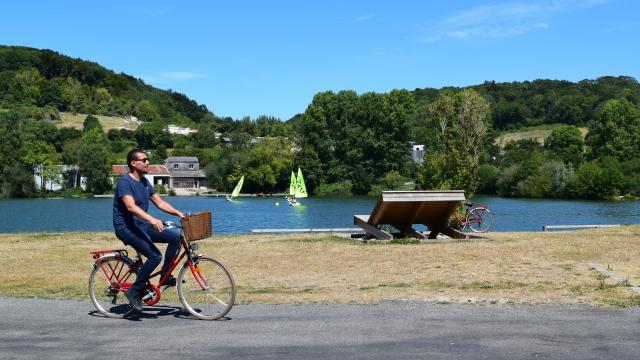
Get on your bikes and pedal along the Véloroute du Lin towards Valmont for a half-day (or more) nature trail.

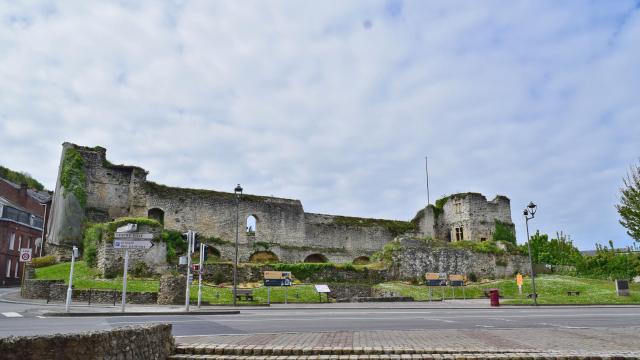
A charming little country village, Valmont boasts a rich historical and natural heritage: its church, castle, abbey and numerous water mills invite you to enjoy a moment of tranquillity…

The Valmont is also a small river. Its sources, which flow as far as Fécamp to empty into the sea, can be seen at Le Vivier in Valmont.
Don't feel like walking?

Go toPublic transport

On site, our coach services can take you to Yport, Etretat or Le Havre: economical, ecological and practical!

  • Getting around Fécamp with Ficibus
  • Travelling from Fécamp to other destinations in Seine-Maritime with the Nomad network
    • Fécamp – Le Havre via Goderville: line 508
    • Fécamp – Le Havre via Etretat: line 509
    • Fécamp – Yvetot: route 510
    • Fécamp – Saint-Valery-en-Caux: line 513
    • Fécamp market: route 541

Bus timetables are available from your Tourist Office.

FAQs

The little adventurer

Discover all

Our stories & activities

between city and nature
Setting sail for

Unique experiences